Extinct Spices
Tracing the vanished aromatic resins, seeds, and rootstocks that once fetched higher prices than gold in the markets of Alexandria and Rome.
The Mystery of Silphium
Silphium was antiquity's undisputed king of seasonings. Mentioned obsessively in Apicius's cookbook De Re Coquinaria and stamped onto the silver coinage of Greek Cyrene, this member of the Ferula (giant fennel) genus possessed a flavor that combined sharp garlicky pungency with floral sweetness and deep resinous warmth.
Unlike ordinary herbs, Silphium refused all agricultural efforts. It required a unique microclimate along the Libyan plateau, nourished by sea mists and thin limestone soil. By the reign of Emperor Nero in the 1st century AD, Pliny the Elder recorded that only one remaining stalk could be found, which was plucked and sent to the Emperor as a curious relic.
Today, culinary historians substitute asafoetida (hing), though antique sources state asafoetida was merely a vastly inferior peasant alternative to genuine laserpicium.
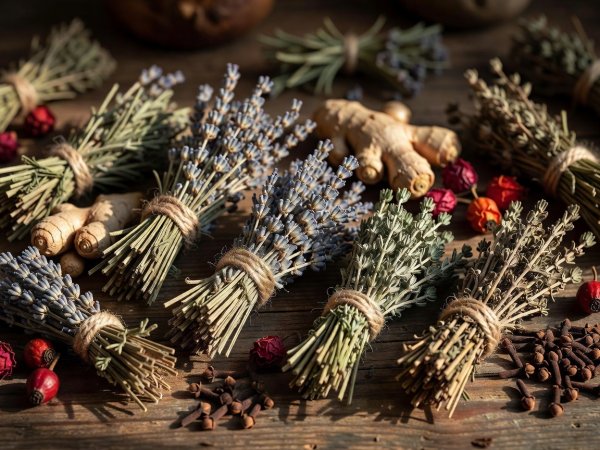
Other Forgotten Botanical Astringents
Spices once dominant across European trade that retreated into hyper-regional obscurity.
Cubeb Berries
Tailed peppercorns native to Java. Heavily favored in Arab medicinal cooking and medieval venison pasties for their spicy, piney, eucalyptus fragrance.
Spikenard (Nardostachys)
An aromatic Himalayan rhizome crushed into royal spiced wines like Hypocras. Imparted an intense earthy, ambergris-like musky sweetness.
Costus Root (Saussurea)
A fragrant root exported along the Silk Road. Used by Roman cooks to counter the strong marine smells of dried mullet and garum reductions.
Why the Palate Narrowed
The transition from medieval multi-layered spicing to modern Western cookery took place in 17th-century France. Early culinary theorists like François Pierre de La Varenne argued that food should taste primarily of its main ingredient, banishing heavy Eastern spices in favor of butter, shallots, and fresh parsley.
Combined with shipping monopolization around standardized black pepper and cinnamon, dozens of nuanced spices were cast out of European grocery channels within two generations.