Medieval Grain Porridges
Before industrial white roller mills, the European table survived on hearty, sour-fermented hulled wheats, pulses, and hearth-simmered pottages.
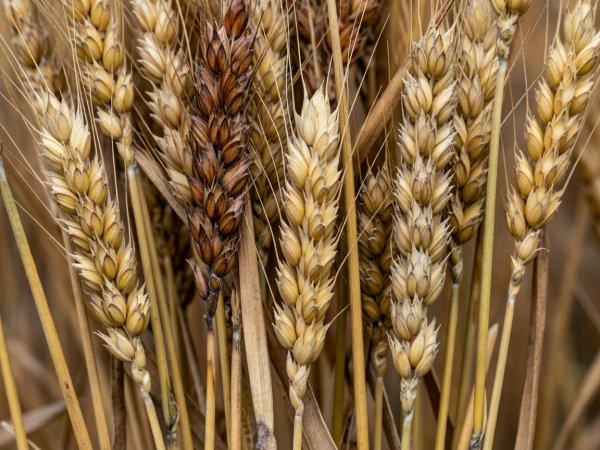
The Universal Pottage Pot
From peasant shieling to aristocratic castle, the hearth fire was rarely extinguished. At its center hung the iron or brass cauldron containing the ongoing pottage—a perpetual stew whose base was cracked heirloom grain.
Modern consumers think of porridge as bland breakfast oatmeal. In the 12th century, a well-built pottage was rich, tangy, and deeply savory. Hulled grains such as einkorn (Triticum monococcum) and emmer (Triticum dicoccum) were cracked in stone querns, soaked in whey or sour beer overnight to break down phytic acid, and then simmered with turnips, marrow, and dried bitter herbs.
These ancient hulled grains possessed tough husks that defended the seed from moisture and mold in damp northern climates, guaranteeing reliable grain security where modern wheats would perish.
Hulled Wheats: Biological Superiority & Commercial Decline
Why did humanity trade robust, nutrient-dense emmer and spelt for modern free-threshing wheats? The answer is purely labor economics. Hulled grains require tedious dehusking operations (pounding or specialized millstones) before the berry can be ground into meal. Free-threshing varieties shed their husks during harvest, saving immense field labor at the expense of natural pest defense and mineral density.
-
Frumenty: Aristocratic Ceremony Porridge
-
Pease Pottage & Rye Groats
-
Sour Groat Broth (Sowans)
Reviving these grains today provides valuable insights for climate resilience: their deep root systems require zero chemical fertilizers and tolerate severe drought far better than uniform monoculture hybrids.